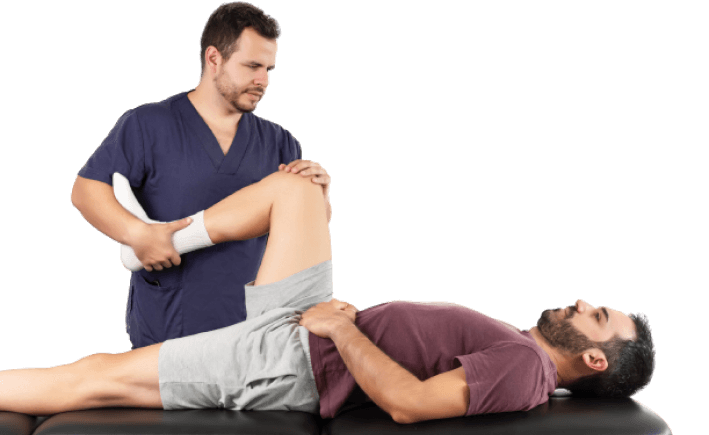
physiotherapy for elderly people
calender

7. April 2026

the need for physiotherapy in senior years

Elderly Care & Mobility

The consequences of reduced mobility extend far beyond physical discomfort. Limited movement often leads to social isolation, loss of independence, declining mental health, and increased risk of falls—which themselves can trigger a cycle of fear, further inactivity, and accelerated decline. Physiotherapy addresses this by maintaining and restoring the physical capabilities that enable older adults to live independently, engage with their communities, and enjoy a higher quality of life. 

Physiotherapy for Elderly People: Your Complete Guide to Mobility, Falls Prevention & Home Care

Evidence-based physiotherapy helps older adults maintain independence, prevent falls, and live well—whether recovering from surgery, managing arthritis, or simply wanting to stay active.

Key takeaway: Physiotherapy is the most evidence-supported intervention for maintaining mobility and preventing falls in adults aged 65 and over. NICE guideline NG249 (April 2025) recommends tailored exercise programmes as a first-line treatment, with research showing 35% fewer falls among participants. At CK Physio, we provide rapid-access physiotherapy across West London, helping older adults avoid lengthy NHS waiting times and receive personalised care in our clinic or at home.

Why do elderly people need physiotherapy?

The UK's population is ageing rapidly, with significant implications for mobility and independence. According to the Office for National Statistics, the UK now has over 12.7 million people aged 65 and over—approximately 19% of the total population. The number of people aged 85 and over is projected to more than double by 2063, creating unprecedented demand for services that support healthy ageing.

These demographic changes directly translate to increased need for physiotherapy. Research from Versus Arthritis shows that 63% of people aged 75 to 84 live with a musculoskeletal condition—the highest rate of any age group. Physical inactivity also escalates sharply with age: while 29% of people aged 65 to 74 fail to reach 30 minutes of moderate activity per week, this rises to 52% among those over 75.

The scale of the challenge:

  • Over 10 million people in the UK live with arthritis
  • 3.5 million people have osteoporosis, with over 549,000 fragility fractures annually
  • Chronic pain affects 38% to 60% of over-65s in community settings
  • 36% of adults aged 60+ meet criteria for probable sarcopenia

Starting physiotherapy early—before a serious fall or significant decline occurs—delivers the greatest benefit. At CK Physio, we work with patients across the full spectrum of need, from those seeking preventive strengthening programmes to those recovering from hip replacements or managing complex conditions like Parkinson's disease.

How does physiotherapy prevent falls in elderly people?

Falls prevention is perhaps the single most compelling reason for elderly physiotherapy. The statistics are sobering: one in three people over 65, and one in two over 80, fall at least once per year. Falls are the most common cause of death from injury in over-65s, accounting for more than 4 million hospital bed days annually and costing the NHS over £2.3 billion per year—more than £6 million every day.

The updated NICE guideline NG249 (published April 2025) provides the most authoritative current guidance on falls prevention. It expands coverage to all people aged 65 and over, plus those aged 50 to 64 with elevated risk factors such as arthritis, Parkinson's disease, diabetes, or a history of stroke. The guideline specifically recommends physiotherapy-led exercise programmes as a core intervention.

Evidence-based programmes that work

NICE NG249 names two evidence-based approaches that physiotherapists typically deliver: the Otago Exercise Programme and the Falls Management Exercise (FaME) programme. These are not generic exercise classes—they are carefully structured, progressive interventions that target the specific physical capabilities linked to fall risk.

The Otago Exercise Programme, originally developed in New Zealand, has accumulated robust evidence over decades. It comprises strengthening exercises (particularly for the legs), balance exercises of increasing difficulty, and a walking plan. Performed three times weekly for 30 minutes over a 12-week period, Otago has been shown to reduce fall rates by 35% in community-dwelling older adults.


Exercise Programme Structure Evidence
Otago Exercise Programme 30 mins, 3× weekly for 12 weeks; home-based with physiotherapist supervision 35% reduction in falls; recommended by NICE NG249
FaME Programme Group and home-based exercises; typically 24 weeks Significant reduction in fall rates; improves strength and balance
Tailored 1-to-1 programmes Individualised to patient's abilities, goals, and home environment NICE recommends tailored, progressive programmes for best outcomes

Key elements of effective falls prevention programmes include exercises focused on balance, coordination, strength, and power; progressive difficulty that increases over time; and tailoring to the individual's needs, preferences, goals, and abilities. Notably, NICE NG249 recommends against routine use of falls risk prediction tools, instead advising clinicians to ask directly about falls history—a practical approach that can identify at-risk individuals more effectively.

At CK Physio, our elderly physiotherapy programmes incorporate these evidence-based approaches while adapting them to each patient's specific circumstances, whether that means addressing post-surgical weakness, managing arthritis-related limitations, or building confidence after a previous fall.

What conditions can physiotherapy treat in older adults?

Elderly physiotherapy addresses a wide range of conditions affecting mobility, comfort, and independence. The approach differs from standard adult physiotherapy because older patients often present with multiple concurrent conditions, may be taking medications that affect balance or healing, and require careful attention to fatigue and recovery capacity.

Arthritis and joint conditions

Over 10 million people in the UK live with arthritis, with osteoarthritis being the most common form in older adults. Physiotherapy for arthritis combines manual therapy to improve joint range of movement, strengthening exercises for muscles supporting the affected joints, and education on pacing activities and protecting joints. For knee osteoarthritis specifically, physiotherapy has been shown to reduce pain by up to 40% and improve function by 35% in most patients.

Osteoporosis and fracture rehabilitation

With 3.5 million people in the UK affected by osteoporosis and over 549,000 fragility fractures occurring annually (one every minute), post-fracture rehabilitation represents a significant area of elderly physiotherapy. Hip fractures alone account for over 105,000 incidents per year, with only 52% of patients returning to their own home within 120 days. Physiotherapy accelerates this recovery while also providing weight-bearing exercises that help maintain bone density and reduce future fracture risk.

Stroke rehabilitation

Over 100,000 strokes occur in the UK each year, and 65% of survivors leave hospital with a resulting disability. There are currently 1.3 million stroke survivors in the UK, more than half with ongoing impairments. Physiotherapy plays a central role in stroke rehabilitation, helping patients regain movement, relearn motor skills, and adapt to any permanent changes in function. Early, intensive physiotherapy produces better long-term outcomes than delayed or limited intervention.

Post-surgical recovery

Joint replacement surgery (particularly hip and knee replacements) has transformed outcomes for many older adults with severe arthritis. However, surgery alone does not guarantee a return to full function—rehabilitation is essential. Post-surgical physiotherapy restores range of movement, rebuilds strength, addresses any compensatory movement patterns that developed pre-surgery, and guides patients through a progressive return to normal activities.

Chronic pain management

Chronic pain affects 38% to 60% of community-dwelling over-65s, rising to 80% in care home populations. Over 70% of older individuals experiencing chronic pain report pain in multiple body sites—predominantly knees, hips, and lower back. Physiotherapy offers drug-free pain management through manual therapy, therapeutic exercise, and modalities such as electrotherapy and shockwave therapy. This is particularly valuable for older adults at risk of polypharmacy (taking multiple medications), where reducing reliance on pain medications can prevent harmful drug interactions.

Neurological conditions

Conditions such as Parkinson's disease, multiple sclerosis, and dementia all benefit from physiotherapy intervention. An estimated 982,000 people in the UK live with dementia (2024), a figure projected to reach 1.4 million by 2040. While physiotherapy cannot reverse neurological conditions, it maintains functional abilities for as long as possible, addresses secondary complications such as stiffness or falls risk, and helps both patients and carers manage daily activities more effectively.

Are home visits as effective as clinic-based physiotherapy?

For many elderly patients—particularly those who are housebound, have mobility limitations that make travel difficult, or feel anxious about attending unfamiliar clinical environments—home visit physiotherapy removes significant barriers to accessing treatment. But is it as effective as clinic-based care?

The evidence is clear: home-based physiotherapy produces outcomes that are equal to or better than clinic-based treatment. A large UK trial of 847 adults aged 65 and over (published 2024) compared matched physiotherapy protocols delivered at home versus in a clinic setting. Functional outcomes were equivalent between settings. However, home-based physiotherapy achieved significantly higher adherence (80% versus 65%), greater patient satisfaction (8.9 out of 10 versus 8.2 out of 10), and a 16% cost reduction per participant.

Home visit physiotherapy outcomes:

  • Equivalent functional outcomes to clinic-based treatment
  • 80% adherence rate compared to 65% for clinic attendance
  • 73% of housebound patients achieve measurable improvement in daily activities
  • 51% experience significant improvement in mood

For housebound patients specifically, the benefits are even more pronounced. A Cochrane systematic review of 19 studies found that 73% of housebound elderly patients achieved measurable improvement in daily living activities with home physiotherapy, while 51% experienced significant improvement in mood.

Home visits also offer practical advantages: the physiotherapist can assess and address real-world challenges in the patient's actual living environment, identify trip hazards, recommend adaptations, and design exercises that use furniture and spaces the patient will encounter daily. This contextual approach often translates to better application of exercises between sessions.

CK Physio's home visit service covers Hanwell, Ealing, and the wider West London area. We typically schedule initial home visits within 24 to 48 hours of booking—a significant advantage over NHS waiting times that can extend to many weeks.

NHS vs private physiotherapy: What are the key differences?

NHS physiotherapy provides excellent care, but capacity constraints mean that waiting times have become a significant barrier for many patients. Some areas report waits of 18 to 50 weeks for routine musculoskeletal physiotherapy. In North West London specifically, data from NHS England shows a median wait of approximately 2 months, with over 21% of patients waiting 18 weeks or longer.

Nationally, the NHS faces an estimated shortfall of 12,000 physiotherapists to meet demand. This workforce gap, combined with an ageing population, creates ongoing pressure on NHS physiotherapy services. For elderly patients particularly—where early intervention prevents decline and subsequent hospital admissions—these delays can have meaningful consequences for outcomes.

Factor NHS Physiotherapy Private Physiotherapy
Waiting time Typically 6–12 weeks; some areas 18–50 weeks Usually within 24–48 hours
Cost Free at point of use £65–£90 per session in London; home visits at small premium
Session length Often 20–30 minutes Initial assessment up to 45 minutes; follow-ups 30 minutes
Number of sessions May be limited by service capacity Determined by clinical need
Home visits Limited availability Readily available
Referral needed GP or self-referral depending on area No referral required (self-referral)
Insurance coverage N/A Often covered by BUPA, AXA, and other providers

Private physiotherapy offers rapid access, longer appointments, greater continuity of care (typically seeing the same physiotherapist throughout), and the flexibility of home visits. For those with private health insurance—BUPA, AXA, and most other major providers cover physiotherapy—out-of-pocket costs may be minimal. Even without insurance, a typical treatment course of 6 to 12 sessions often proves cost-effective when measured against the value of faster recovery and maintained independence.

We see private physiotherapy not as a replacement for NHS services but as a complementary option that fills an urgent access gap. Many of our patients are referred to us by GPs specifically because the NHS waiting time would result in unacceptable deterioration. Others come after receiving initial NHS care but wanting more sessions to fully complete their rehabilitation. Our transparent pricing and easy booking system makes this process straightforward.

What happens during elderly physiotherapy assessment and treatment?

Understanding what to expect can reduce anxiety about starting physiotherapy, both for older adults themselves and for family members supporting them. At CK Physio, we design our approach around the specific needs and concerns of elderly patients.

The initial assessment

Your first appointment (up to 45 minutes) involves a thorough conversation about your current difficulties, medical history, medications, and goals. We ask about your support network, living situation, and daily routine—not to be intrusive, but to ensure treatment recommendations are realistic and appropriate for your circumstances.

Physical assessment follows, which may include observing how you walk, rise from a chair, reach overhead, or perform other functional movements. We assess strength, balance, coordination, joint range of movement, and any pain responses. For patients at falls risk, standardised tests such as the Timed Up and Go test or Berg Balance Scale help quantify baseline function and track improvement.

Treatment approaches

Based on assessment findings, your physiotherapist develops a personalised treatment plan. This typically combines several approaches: therapeutic exercises (strengthening, balance, flexibility), hands-on manual therapy techniques to address joint stiffness or muscle tension, and where appropriate, advanced modalities such as ultrasound therapy, electrotherapy, or shockwave therapy.

Education is equally important—understanding why exercises help, how to pace activities, when to rest, and how to recognise warning signs that need attention. We also provide a home exercise programme, as the work between sessions is where much of the improvement occurs.

Realistic timelines

One of the most common questions families ask is how quickly improvement will be visible. This depends on the condition being treated and the starting point, but research provides useful benchmarks. For falls prevention programmes like Otago, the standard duration is 12 weeks of exercises performed three times weekly. Many patients notice improved confidence and balance within the first few weeks, though optimal outcomes require completing the full programme. For post-surgical rehabilitation, the timeline varies by procedure—hip replacement recovery typically spans 10 to 12 weeks of physiotherapy, while more complex cases may require longer. Our mobility assessment approach establishes clear baselines so progress can be objectively measured.

Elderly physiotherapy in Ealing and West London

The Ealing borough presents a particularly compelling case for elderly physiotherapy services. With a population of approximately 370,000, Ealing includes around 46,200 residents aged 65 and over—and this elderly population grew by nearly 23% between the 2011 and 2021 censuses. Greater London Authority projections indicate a further 50% increase in over-65s by 2041, with the 90+ age group facing a projected 121% increase.

These demographic trends create significant demand for elderly physiotherapy across the borough. The North West London Integrated Care System has identified the area as one of the fastest-ageing parts of their footprint, projecting 48,000 additional over-65s across the system by 2041.

A crucial local statistic: people aged 65 and over constitute just 11% of Ealing's population but represent 47% of those whose daily activities are "limited a lot" by long-term illness or disability. Male healthy life expectancy in Ealing is just 62.7 years, meaning the average Ealing man lives approximately 18 years with long-term health problems—higher than both London and national averages.

Serving a diverse community

Ealing is the fourth most ethnically diverse district in England and Wales, with 57% of the population from Black and minority ethnic groups. Major communities include Indian, Polish, Somali, Afghan, and Black Caribbean populations. A diverse community has diverse needs—and healthcare services must reflect this reality. At CK Physio, we provide culturally sensitive care that respects different backgrounds, health beliefs, and family structures. We understand that in some communities, older adults are typically cared for within extended families, and we work collaboratively with family carers as essential partners in the rehabilitation process.

CK Physio's West London service

CK Physio has served the West London community since 2003, providing expert physiotherapy from our Hanwell clinic and through home visits across Ealing and surrounding areas. For elderly patients, we offer immediate access without waiting lists, one-to-one care tailored to individual needs, and flexible appointment times including early morning, late evening, and Saturday slots to accommodate family carers who need to be present.

We complement rather than compete with local NHS services such as the Ealing Falls Service and community strength and balance programmes like StayActive4Life. For patients who cannot attend group classes, require more intensive intervention, or simply need faster access, we provide an alternative pathway to the same evidence-based care.

Frequently asked questions about elderly physiotherapy

How does physiotherapy prevent falls in elderly people?

Physiotherapy prevents falls through evidence-based exercise programmes that improve balance, strength, and coordination. The NICE-recommended Otago Exercise Programme reduces fall rates by 35% over 12 months. Physiotherapists also assess home hazards, review medication effects on balance, and build confidence in movement through gradual progression.

Is home visit physiotherapy as effective as clinic treatment?

Yes, research shows home visit physiotherapy achieves equivalent functional outcomes to clinic-based treatment, with significantly higher adherence rates (80% versus 65%) and greater patient satisfaction. For housebound elderly patients, 73% achieve measurable improvement in daily activities with home-based care.

How long are NHS waiting times for elderly physiotherapy?

NHS physiotherapy waiting times vary significantly by region, with some areas reporting 18 to 50 weeks for routine MSK physiotherapy. In North West London, the median wait is approximately 2 months, with over 21% of patients waiting 18 weeks or longer. Private physiotherapy typically offers access within 24 to 48 hours.

What conditions can physiotherapy treat in elderly patients?

Physiotherapy treats a wide range of conditions affecting older adults including arthritis, osteoporosis, balance disorders, post-stroke rehabilitation, chronic pain, post-surgical recovery (especially hip and knee replacements), Parkinson's disease, and general mobility decline. It also addresses falls prevention and frailty.

How much does private elderly physiotherapy cost?

Private physiotherapy in London typically costs between £65 and £90 per session, with home visits commanding a modest premium for travel time. A typical treatment course of 6 to 12 sessions provides most patients with significant improvement. Many private health insurers including BUPA and AXA cover physiotherapy treatment.

Do I need a GP referral for physiotherapy?

No, you do not need a GP referral for private physiotherapy. You can self-refer directly to a Chartered Physiotherapist. This is often faster than waiting for a GP appointment and subsequent NHS referral. However, if your private health insurance requires a GP referral, you may need to obtain one for coverage.

What is the Otago Exercise Programme?

The Otago Exercise Programme is an evidence-based falls prevention programme recommended by NICE guideline NG249. It consists of strengthening exercises, balance exercises, and a walking plan, performed three times weekly for 30 minutes over 12 weeks. Research shows it reduces falls by 35% in community-dwelling older adults.

When should elderly people start physiotherapy?

Starting physiotherapy before a serious fall or significant mobility decline delivers the greatest benefit. Warning signs include one or more falls in the past year, difficulty with daily activities, reduced confidence walking, balance problems, joint pain limiting movement, or recovery from surgery or hospitalisation.

Ready to discuss physiotherapy for yourself or a loved one?

Our Chartered Physiotherapists provide expert care across Hanwell, Ealing, and West London—in clinic or at home. Book your initial assessment today.

Book Your Assessment

References and further reading

This article draws on clinical guidelines, official statistics, and peer-reviewed research. Key sources include:

  1. National Institute for Health and Care Excellence (2025). Falls: assessment and prevention in older people and in people 50 and over at higher risk [NG249]. https://www.nice.org.uk/guidance/ng249
  2. Office for National Statistics (2025). Population estimates for the UK, England, Wales, Scotland and Northern Ireland: mid-2024. https://www.ons.gov.uk/peoplepopulationandcommunity/populationandmigration/populationestimates/bulletins/annualmidyearpopulationestimates/mid2024
  3. House of Commons Library (2024). The UK's changing population. https://commonslibrary.parliament.uk/the-uks-changing-population/
  4. Versus Arthritis (2024). The State of Musculoskeletal Health. https://www.versusarthritis.org/about-arthritis/data-and-statistics/
  5. NHS England (2024). Community Health Services Waiting Times Data. https://www.england.nhs.uk/statistics/statistical-work-areas/community-health-services-waiting-times/
  6. Centre for Ageing Better (2024). State of Ageing 2023-24. https://ageing-better.org.uk/state-of-ageing
  7. Royal Osteoporosis Society (2024). Fracture statistics and costs. https://theros.org.uk/information-and-support/bone-health/data-and-publications/
  8. Chartered Society of Physiotherapy (2024). Physiotherapy and falls prevention. https://www.csp.org.uk/professional-clinical/clinical-evidence/falls-prevention

Related articles from CK Physio

© 2026 CK Physio. All rights reserved.

Professional, caring, friendly physiotherapy in Hanwell and Ealing since 2003.

Latest Blogs

41 min

The need for physiotherapy in senior years
Elderly Care & Mobility The consequences of reduced mobility extend far beyond physical ...

7 April, 2026

42 min

How physiotherapy supports mental health
The scientific evidence for physiotherapy supporting mental health has strengthened dramatically in ...

7 April, 2026

33 min

Physiotherapy for sciatica: a complete guide ...
Physiotherapy is the recommended first-line treatment for sciatica, with around 60% of patients ...

3 April, 2026

patetrn
appointment  image
tw-col-s-1
tw-col-s-2
two-col-s-4
tw-col-s-3
Ready for a More Active, Pain-free Life?

Get Started with
CK Physio Today