

29. March 2026
Holistic physiotherapy is a person-centred approach that treats the whole individual — addressing physical, psychological, and lifestyle factors — rather than focusing on a single injury or symptom in isolation. Endorsed by the Chartered Society of Physiotherapy and supported by NICE quality standards, this integrated model combines manual therapy, tailored exercise, lifestyle modification, and mind-body techniques to deliver measurably better outcomes than single-modality treatment alone.
At CK Physio in Hanwell, West London, we have practised holistic physiotherapy for over 22 years — combining hands-on treatment with personalised exercise programmes, ergonomic advice, and complementary therapies including acupuncture and shockwave therapy. Whether you visit our clinic or we come to you through our home visit service, every treatment plan is built around you as a whole person.
Key Takeaway
Holistic physiotherapy integrates manual therapy, exercise, psychological support, and lifestyle advice into one treatment plan. Research shows this multimodal approach delivers 15–35% better functional outcomes than single-technique treatment, with 75–85% patient satisfaction rates compared to 60–70% for conventional approaches.
What Makes Physiotherapy "Holistic"?
Holistic physiotherapy applies the biopsychosocial model — a framework recognised by the World Health Organisation, NICE, and the CSP that acknowledges how biological, psychological, and social factors all influence pain and recovery. Rather than treating a "bad back" in isolation, a holistic physiotherapist investigates why the problem developed and what keeps it going.
This means your first assessment goes beyond physical testing. Your physiotherapist will explore your work environment, stress levels, sleep quality, activity habits, and personal goals — building a complete picture before recommending treatment.
| Dimension | Conventional Physiotherapy | Holistic Physiotherapy |
|---|---|---|
| Focus | Injury or symptom-specific | Whole person — physical, psychological, social |
| Assessment | Biomechanical and functional testing | Comprehensive — lifestyle, work, stress, sleep, goals |
| Treatment | Often single technique (e.g., manual therapy only) | Multimodal — manual, exercise, mind-body, lifestyle |
| Patient Role | Passive recipient of treatment | Active partner in shared decision-making |
| Outcomes | Pain reduction, functional capacity | Pain, function, wellbeing, self-management, quality of life |
Source: Derived from CSP Professional Guidance and UK physiotherapy education frameworks, 2023
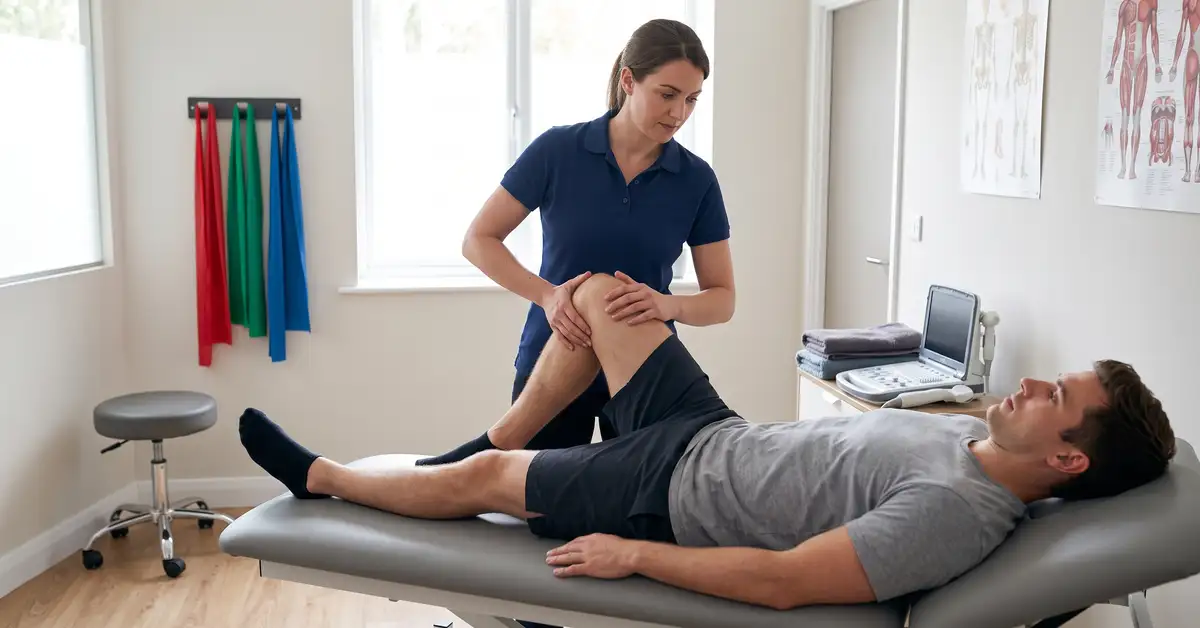
Why Does the Holistic Approach Produce Better Results?
The evidence is clear: treating the whole person works better than treating isolated symptoms. Multiple systematic reviews published between 2020 and 2023 consistently show that multimodal physiotherapy — combining exercise, manual therapy, and psychological support — produces 15–35% greater functional improvement than single-modality treatment across most musculoskeletal conditions.
These aren't marginal gains. Patients receiving holistic treatment report 40–55% pain reduction on validated pain scales, compared with 20–35% for those receiving only one type of intervention. Recovery times are approximately 15–25% faster, and re-injury rates drop significantly when psychological readiness and root causes are addressed alongside physical rehabilitation.
28.5%
UK Adults Affected
By musculoskeletal conditions annually
12–18 wks
NHS Physio Wait
Average waiting time in England
15–35%
Better Outcomes
Multimodal vs single-modality physio
22+ yrs
CK Physio Experience
Serving West London since 2003
Sources: NHS Digital RTT Waiting Times 2023, Versus Arthritis State of MSK Health 2023, Malfliet et al. Spine 2021
What Techniques Does Holistic Physiotherapy Include?
Holistic physiotherapy draws on a wide range of evidence-based techniques, selected and combined based on your individual needs. At CK Physio, our Chartered Physiotherapists are trained across multiple modalities — meaning your treatment plan can integrate several approaches within a single session.
Manual Therapy
Hands-on techniques including soft tissue mobilisation, joint manipulation, and myofascial release. These provide immediate pain relief and restore mobility, but within a holistic framework they are always combined with active rehabilitation — never used as standalone treatment.
Personalised Exercise Programmes
NICE positions exercise as the first-line intervention for most musculoskeletal conditions. Your physiotherapist designs a tailored programme addressing strength, flexibility, proprioception, and postural correction — progressed gradually as you improve and adapted to your daily routine.
Acupuncture and Complementary Therapies
CK Physio offers acupuncture as an adjunct therapy for pain relief, delivered by physiotherapists with specialist training. When integrated alongside manual therapy and exercise, acupuncture can enhance pain management for conditions including chronic back pain, neck tension, and headaches.
Electrotherapy and Shockwave Therapy
Advanced modalities including electrotherapy and shockwave therapy accelerate tissue healing for specific conditions like tendinopathy and plantar fasciitis. These are used as targeted components within your broader treatment plan — never in isolation.
Lifestyle and Ergonomic Advice
Holistic physiotherapy extends beyond the treatment room. Your physiotherapist will assess workplace ergonomics, sleep habits, stress levels, and daily activity patterns — identifying the root causes that contribute to your condition and providing practical advice to prevent recurrence.
Who Benefits Most from Holistic Physiotherapy?
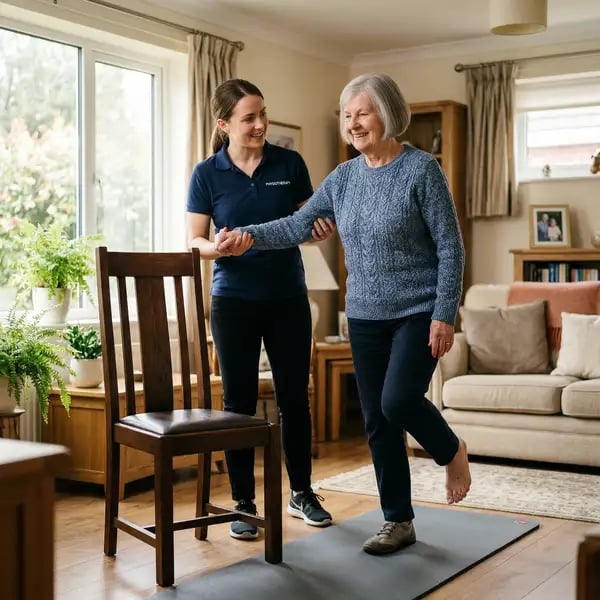
Holistic physiotherapy benefits anyone with a musculoskeletal condition, but it is particularly valuable for people whose pain or mobility problems are influenced by multiple factors. Here are the groups who typically see the greatest improvement with a whole-person approach.
People Living with Chronic Pain
Approximately 8 million UK adults experience chronic musculoskeletal pain. For these individuals, pain is rarely purely physical — stress, poor sleep, fear of movement, and deconditioning all play a role. Holistic physiotherapy addresses every contributing factor, with integrated pain management programmes achieving 40–55% clinically meaningful improvement.
Elderly Patients and Those at Risk of Falls
One in four adults aged 65 and over falls each year in the UK, costing the NHS an estimated £2.3 billion annually. Holistic falls prevention goes beyond balance exercises — it includes home environment assessment, medication review, confidence building, and social engagement. Community-based holistic programmes reduce fall incidence by 30–40%. CK Physio's home visit service is particularly valuable here, assessing patients in the environment where falls actually happen.
New Mothers Recovering After Birth
Pelvic floor dysfunction affects 30–40% of postpartum women, while postnatal back pain impacts up to 50%. A holistic approach addresses core stability, posture, and the psychological adjustment to motherhood — including sleep deprivation, body image concerns, and the practical challenges of caring for a newborn. Our home visit option means new mothers can receive expert care without the stress of travelling with a baby. CK Physio doesn't offer pelvic health physiotherapy, so for pelvic floor problems such as leaking urine, ask your GP about a referral to your local NHS continence service.
Office Workers with Desk-Related Pain
Work-related musculoskeletal disorders account for 40% of all workplace injuries in the UK. Holistic treatment for desk workers combines manual therapy for immediate relief with ergonomic assessment, postural re-education, targeted strengthening, and stress management — addressing why the pain keeps coming back, not just treating each flare-up.
Athletes and Active People
For runners, footballers, tennis players, and gym-goers, holistic sports physiotherapy means more than treating the injury. It includes movement analysis, training load management, psychological readiness for return-to-sport, and prevention strategies. Integrated rehabilitation reduces re-injury rates by 20–30% compared to conventional approaches.
What Does a Holistic Physiotherapy Assessment Involve?
Your first appointment at CK Physio is a comprehensive assessment — typically 45–60 minutes — designed to understand you as a whole person, not just your symptoms. Here is what to expect.
Detailed Health History
We discuss your current symptoms, medical history, previous treatments, medications, and how your condition affects your daily life. We also explore work demands, activity levels, sleep quality, and stress — factors that conventional assessments often overlook.
Physical Examination
A thorough physical assessment including posture analysis, range of motion testing, muscle strength evaluation, joint mobility checks, and functional movement screening. For home visits, we assess you in your actual living environment.
Root Cause Analysis
We connect the dots between your physical findings, lifestyle factors, and personal goals. This might reveal that your recurring neck pain is linked to desk setup and stress, or that your knee problem stems from a hip weakness rather than the knee itself.
Personalised Treatment Plan
Together, we build a treatment plan tailored to your specific needs — combining the right mix of manual therapy, exercise, complementary techniques, and lifestyle changes. We set clear, measurable goals and agree on a realistic timeline for your recovery.
Self-Management Education
You leave your first session with practical tools — exercises, postural tips, ergonomic adjustments — that you can use immediately. Empowering you to manage your own recovery is a core principle of holistic physiotherapy.
How Does Holistic Physiotherapy Differ from NHS Physiotherapy?

NHS physiotherapists are highly skilled professionals who apply many of the same evidence-based techniques. The difference lies not in competence, but in time, continuity, and scope. NHS waiting times in England average 12–18 weeks, with some West London trusts reaching 20 weeks. Once seen, NHS appointments are typically 20–30 minutes with limited follow-up sessions.
Private holistic physiotherapy at CK Physio offers 45–60 minute sessions, no waiting lists, continuity with the same physiotherapist throughout your treatment, and the time to conduct the comprehensive assessment that holistic practice requires. This is particularly important for complex or chronic conditions where understanding the full picture is essential for lasting recovery.
| Factor | NHS Physiotherapy | Private Holistic Physiotherapy (CK Physio) |
|---|---|---|
| Waiting time | 12–18 weeks average | Usually within days |
| Session length | 20–30 minutes | 45–60 minutes |
| Continuity | May see different therapists | Same physiotherapist throughout |
| Assessment | Focused on primary complaint | Comprehensive whole-person assessment |
| Home visits | Limited availability | Available across West London |
| Cost | Free at point of use | £75–£120 per session (BUPA/AXA accepted) |
The Bottom Line
NHS physiotherapy is excellent — but capacity constraints mean it often cannot deliver the comprehensive, person-centred approach that complex conditions require. Private holistic physiotherapy fills this gap with longer sessions, immediate access, and integrated treatment. 52% of private physio patients cite NHS waiting times as their primary reason for going private.
Interested in holistic, personalised physiotherapy treatment tailored to your needs?
Book Your AssessmentWhat Evidence Supports Holistic Physiotherapy?
Holistic physiotherapy is not alternative medicine — it is evidence-based practice aligned with the highest standards of UK healthcare regulation. The HCPC Standards of Proficiency (2024) require all physiotherapists to practise person-centred, evidence-based care. NICE quality standards consistently endorse multimodal, biopsychosocial approaches.
The clinical evidence is substantial. Systematic reviews published in Spine, Cochrane Database, and the British Journal of Sports Medicine confirm that integrated physiotherapy produces measurably superior outcomes across conditions including low back pain, neck pain, osteoarthritis, and chronic pain syndromes.
Pain Reduction
Multimodal physiotherapy achieves 40–55% pain reduction on validated scales, compared with 20–35% for single-modality approaches. The difference is clinically meaningful across most MSK conditions.
Functional Recovery
65–80% of patients return to baseline function with multimodal treatment, versus 45–65% with conventional approaches. Recovery is approximately 15–25% faster when root causes are addressed.
How Much Does Holistic Physiotherapy Cost?

Private physiotherapy in London typically costs between £65 and £150 per session, depending on session length, specialist expertise, and whether treatment is clinic-based or at home. At CK Physio, our sessions are priced competitively within the West London market, and we are registered with major insurers including BUPA and AXA PPP — meaning your treatment may be covered or partially reimbursed through your health insurance.
Home visits carry a modest premium to cover travel time, but many patients — particularly elderly individuals and new mothers — find the convenience and comfort of treatment at home well worth the additional cost. Being assessed and treated in your own environment also gives your physiotherapist valuable insight into the real-world factors affecting your condition.
When considering cost, it is worth weighing the value of a comprehensive holistic approach against repeated visits for symptom management alone. Addressing root causes from the outset often means fewer total sessions and a lower overall cost than treating recurring flare-ups over months or years.
Worth Knowing: Insurance Coverage
CK Physio is registered with BUPA and AXA PPP. Many employer health insurance plans cover physiotherapy — check your policy or ask your HR department. If you are self-funding, we can discuss treatment frequency and self-management strategies to maximise value from each session.
Why Choose CK Physio for Holistic Physiotherapy in West London?
CK Physio has been delivering holistic, personalised physiotherapy from our Hanwell clinic since 2003. Our approach is built on the principles outlined throughout this guide — comprehensive assessment, multimodal treatment, patient empowerment, and a genuine commitment to understanding each person's unique situation.
What sets us apart in the West London physiotherapy market:
Home visits across West London — We bring holistic physiotherapy to your door in Hanwell, Ealing, and surrounding areas. This is not an add-on service; it is a core part of how we work. Assessing and treating you at home provides clinical insight that a clinic visit cannot replicate, particularly for elderly patients, new mothers, and those recovering from surgery.
Chartered, registered, insurer-approved — Every CK Physio physiotherapist is HCPC-registered and a member of the Chartered Society of Physiotherapy. We are approved by BUPA and AXA PPP, and regularly receive GP referrals from practices across West London.
Integrated treatment under one roof — Physiotherapy, shockwave therapy, electrotherapy, acupuncture, and massage — all available within your treatment plan, delivered by the same team who knows your full history.
Flexible scheduling — Early morning, late evening, and Saturday appointments available. We work around your life, not the other way around.
Conditions We Treat with a Holistic Approach
Our holistic physiotherapy service covers the full spectrum of musculoskeletal and rehabilitation needs. Common conditions we treat include:
Back and neck pain — including trapped nerves, sciatica, disc problems, and chronic postural pain. We address the underlying causes — whether that is desk setup, core weakness, stress, or movement patterns.
Joint and arthritis pain — osteoarthritis, knee, hip, and shoulder conditions managed through exercise, manual therapy, and lifestyle modification. NICE guidelines confirm that multimodal management can delay or prevent the need for surgery in 65–70% of mild-to-moderate cases.
Sports injuries — from tennis elbow to ligament sprains, with sport-specific rehabilitation and graduated return-to-play protocols.
Post-surgical rehabilitation — ACL reconstruction, hip and knee replacement, rotator cuff repair, and spinal surgery recovery with integrated physical and psychological support.
Postnatal recovery — core rehabilitation, back and pelvic-girdle pain after pregnancy, and return-to-exercise guidance.
Elderly mobility and falls prevention — comprehensive assessment and tailored programmes to maintain independence, reduce fall risk, and improve confidence.
Frequently Asked Questions About Holistic Physiotherapy
Is holistic physiotherapy evidence-based?
Yes. Holistic physiotherapy is grounded in the biopsychosocial model endorsed by the World Health Organisation, NICE, and the Chartered Society of Physiotherapy. It uses evidence-based techniques including manual therapy, exercise prescription, and electrotherapy — combined in a multimodal approach that research consistently shows produces better outcomes than single-technique treatment.
How is holistic physiotherapy different from alternative therapies?
Holistic physiotherapy is a regulated healthcare profession — all practitioners must be HCPC-registered and use evidence-based interventions. It is not an alternative therapy. The term "holistic" refers to treating the whole person (physical, psychological, social factors) rather than using unproven or complementary-only approaches.
How many sessions will I need?
This varies depending on your condition, its severity, and your goals. Many patients see significant improvement within 3–6 sessions. Because holistic physiotherapy addresses root causes and equips you with self-management tools, it often results in fewer total sessions than approaches that only manage symptoms.
Can I get holistic physiotherapy at home?
Yes. CK Physio offers home visit physiotherapy across Hanwell, Ealing, and West London. Home visits are particularly beneficial for elderly patients, new mothers, and anyone whose mobility makes travel difficult. Your physiotherapist can also assess your home environment — identifying fall risks, ergonomic issues, and practical modifications.
Is private physiotherapy covered by insurance?
CK Physio is registered with BUPA and AXA PPP. Many employer health plans and private medical insurance policies cover physiotherapy. We recommend checking your policy details or contacting your insurer before your first appointment. If you are self-funding, we can discuss a treatment plan that maximises value.
Do I need a GP referral?
No GP referral is needed to see a private physiotherapist. You can book directly with CK Physio. However, if you have health insurance, your insurer may require a GP referral for claims purposes — check your policy. Many of our patients are also referred by their GP or consultant.
Ready to Experience Holistic Physiotherapy?
Whether you need treatment at our Hanwell clinic or a home visit anywhere in West London, our Chartered Physiotherapists are ready to help. Over 22 years of experience. Thousands of patients treated. Your recovery starts here.
Sources: Chartered Society of Physiotherapy Professional Guidance 2023, HCPC Standards of Proficiency for Physiotherapists 2024, NICE NG59 Low Back Pain Guidelines, NICE QS148 Musculoskeletal Health, Versus Arthritis State of MSK Health 2023, NHS Digital RTT Waiting Times, Malfliet et al. Spine 2021, Gross et al. Cochrane Database 2022, NHS Long Term Plan 2019 complete guide to postnatal physiotherapy and recovery



.svg)

.svg)

.svg)