

Medically reviewed by Bryan Kelly, Chartered Physiotherapist (MCSP), HCPC-registered .
Last reviewed: · Originally published December 2015 · About the CK Physio team
Physiotherapy for Arthritis in Ealing: An Evidence-Based Guide
The National Institute for Health and Care Excellence (NICE) names therapeutic exercise, alongside weight management and clear information, as a core treatment offered to everyone with osteoarthritis. For rheumatoid arthritis, NICE recommends access to specialist physiotherapy to improve fitness, learn joint-friendly exercises and manage pain. A Chartered Physiotherapist will build a plan around your joints, your goals and the rest of your life — not a generic protocol.
 If you are in pain, feeling stiff first thing in the morning, or finding stairs, gardening or gripping harder than they used to be, you are not alone — and there is a great deal you can do. The point of this guide is to help you understand what modern physiotherapy for arthritis actually looks like, what the evidence says it can and cannot do, and what to expect if you come to see us in Ealing.
What is arthritis? Osteoarthritis and rheumatoid arthritis explained
"Arthritis" is an umbrella term for more than 100 conditions that cause joint pain and stiffness. Two account for the vast majority of what we see in the clinic.
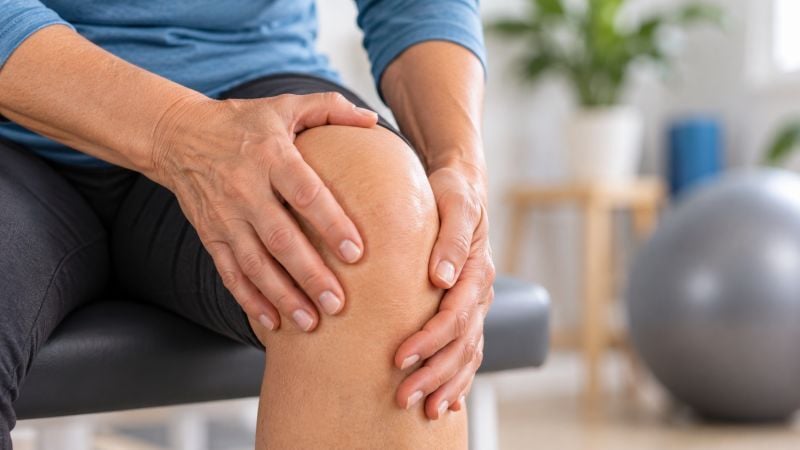
Osteoarthritis (OA) is by far the most common. The cartilage lining the joint gradually thins, and the surrounding bone and soft tissues adapt — sometimes painfully. It typically affects the knees, hips and small joints of the hands. The NHS describes the main symptoms as joint pain, stiffness and problems moving the joint, often coming and going in episodes.
Rheumatoid arthritis (RA) is very different: it is an autoimmune condition in which the immune system mistakenly attacks the joint lining, causing pain, swelling and stiffness that usually starts in the hands, feet and wrists. It often has flares and quieter spells, and needs careful medical management alongside physiotherapy.
Because they behave differently, the physiotherapy approach differs too. That is why an accurate assessment always comes first.
How does physiotherapy help arthritis?
Physiotherapy for arthritis blends several evidence-based approaches. Modern practice is a long way from the passive treatments many patients remember from years ago — the strongest evidence sits with things you do, guided and progressed by a clinician.
Therapeutic exercise
This is the cornerstone. A tailored programme typically combines strength work for the muscles that support the affected joint, mobility drills to keep range of motion, and gentle aerobic activity — walking, cycling or swimming — for general fitness. NICE recommends therapeutic exercise for all people with osteoarthritis, whatever their age, severity, pain level or co-morbidity.
Manual therapy — used alongside exercise
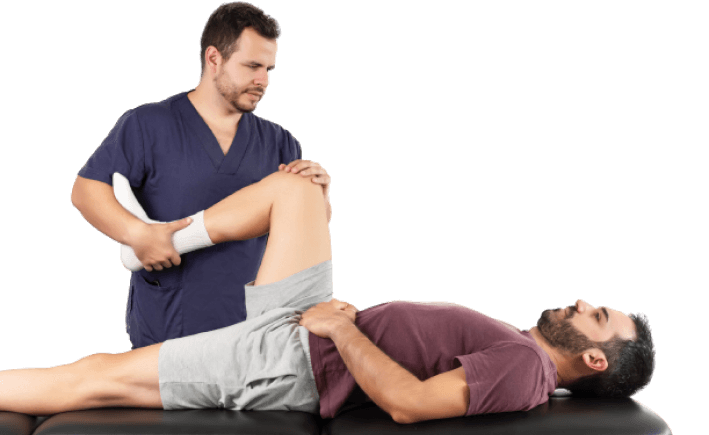
Hands-on techniques (mobilisations, soft-tissue work) can help ease pain and improve movement in the short term. NICE is clear that manual therapy should be considered alongside therapeutic exercise, and specifically for people with hip or knee osteoarthritis — not as a standalone treatment.
Education, pacing and self-management
Understanding your condition changes how you respond to it. We will talk you through what is happening in the joint, what activity is safe (spoiler: much more than most people fear), how to pace tasks that provoke flares, and how to plan for the days when symptoms are louder. This is not a hand-out — it is a conversation across your sessions.
Pain-relief tools
For rheumatoid arthritis, NICE specifically mentions short-term pain relief through methods such as transcutaneous electrical nerve stimulation (TENS) and wax baths. Where appropriate, we may incorporate electrotherapy including TENS to help you manage symptoms between sessions. Heat and cold, used sensibly, can also be genuinely useful.
Hand exercise programmes for rheumatoid arthritis
If RA is affecting your hands or wrists, NICE recommends a tailored strengthening and stretching hand exercise programme delivered by a practitioner trained in this area. Small, consistent exercises can make a real difference to grip and daily tasks like buttons, jars and keyboards.
Aquatic (hydrotherapy) exercise as an option
Warm-water exercise can be helpful, particularly if land-based movement is painful early on — the buoyancy takes load off the joints. CK Physio does not have an on-site pool, but we are happy to discuss where local aquatic exercise sits in your plan.
Joint protection, aids and adaptations
Sometimes the right stick, splint, insole or small tweak to how you lift, sit or garden makes the biggest immediate difference. Practical advice sits alongside every good rehab plan.
| Approach | What it does | Best for |
|---|---|---|
| Therapeutic exercise | Strengthens supporting muscles, restores range of motion, improves function. | All types of arthritis (core treatment). |
| Manual therapy | Short-term easing of pain and stiffness through hands-on mobilisation. | Hip and knee OA, alongside exercise. |
| TENS & heat | Short-term pain relief and flare comfort. | RA (specifically mentioned in NICE NG100); some OA. |
| Tailored hand programme | Restores grip and dexterity through progressive stretching and strengthening. | RA affecting hands or wrists. |
| Education & pacing | Helps you plan activity, manage flares and protect your joints day to day. | All arthritis. |
What does the evidence say?
We think it is important to be honest about what physiotherapy can and cannot do — both because the science is genuinely encouraging, and because vague promises help no one.
The most robust recent summary of exercise for knee osteoarthritis is a 2024 Cochrane review by Lawford and colleagues pooling 139 trials with more than 12,000 participants. Compared with no treatment or usual care, exercise likely produced a mean improvement in physical function of about 12.5 points on a 100-point scale, alongside a modest pain benefit. These are meaningful, if not dramatic, gains — and importantly, exercise did not increase drop-outs, i.e. it was well tolerated.
NICE's own analysis went further: it positions therapeutic exercise ahead of some pain medicines for osteoarthritis, and recommends topical anti-inflammatories as first-line pharmacology for knee and hand OA — not strong opioids.
For rheumatoid arthritis, NICE NG100 states adults with RA should have access to specialist physiotherapy to improve fitness, learn joint-flexibility and muscle-strengthening exercises, and access short-term pain relief such as TENS. It also recommends a tailored hand exercise programme where relevant.
What to expect at CK Physio in Ealing
Your first visit is an assessment as much as a treatment. Expect a proper conversation — about your history, how the joint behaves through the week, what you are trying to get back to — followed by a physical examination and, usually, some initial hands-on work and exercises to take away. By the end you should have a clear picture of what is going on and what your plan looks like. If you would like a walk-through of the format, we have a short guide to what to expect at your first physiotherapy session.
A few practical points worth knowing:
- You do not need a GP referral. You can self-refer directly to a Chartered Physiotherapist. If you plan to claim on private medical insurance, check whether your policy still asks for a GP referral first.
- We are recognised by major UK insurers. Please confirm your current provider with us when booking — insurer lists change.
- You can find us at 57 Elthorne Avenue, Hanwell W7 2JY, a short walk from Hanwell station and easy to reach from Ealing, Acton, Greenford, Northfields and Perivale.
- For fees and to book, see our booking and fees page, or call 020 8566 4113.
Ready to move well and feel well again?
Book an assessment at our Hanwell & Ealing clinic — usually within a few days, not weeks.
Arthritis in Ealing and West London: the local picture
Arthritis is common — and getting more so as the population ages. Arthritis UK (formerly Versus Arthritis) reports that more than 10 million people in the UK live with osteoarthritis, with knee OA the single largest group and hip OA close behind. Rheumatoid arthritis affects around 450,000 adults with a recorded diagnosis. Across all musculoskeletal conditions, roughly one in three UK adults is affected.
In our borough, that trend is visible in the numbers. Ealing's population reached 367,115 at the 2021 Census — London's third largest borough — and the number of residents aged 65 and over rose by 22.8% between 2011 and 2021. That is a lot more knees, hips and hands to look after.
The NHS is doing its best under significant pressure. The Chartered Society of Physiotherapy reported in August 2025 that the community musculoskeletal physiotherapy queue in England stood at 372,560 people. Waits vary by area, but in London it is not unusual for routine cases to wait weeks — sometimes months. Private self-referral to a Chartered Physiotherapist typically gets you assessed within days. Using private physiotherapy does not remove you from any NHS list; the two pathways can run in parallel.
Managing arthritis between sessions
Most of the progress happens between appointments. A few principles patients tell us they find most useful:
- Move little and often. Long spells of sitting stiffen arthritic joints faster than most activities aggravate them. Short walks, standing every 30 minutes and a daily mobility routine go a long way. Our guide to strengthening exercises is a good starting point.
- Do the exercises you have been given. Consistency beats intensity. Ten minutes a day, most days, will outperform an occasional hour.
- Use heat and cold sensibly. Warmth can ease morning stiffness; cold packs can settle an acutely angry joint. Whichever you prefer, use a barrier layer to protect the skin.
- Plan for flares. Everyone has them. A flare plan — what to reduce, what to keep, when to call — makes them shorter and less frightening. Our guide to managing winter arthritis flare-ups has more detail.
- Talk to us or your GP if things change. Sudden new swelling, redness or fever, or a rapid loss of function, always warrants review.
This article is educational and does not replace individual clinical assessment. If your symptoms are new, severe, or changing quickly, please contact your GP or a Chartered Physiotherapist for personal advice.
Frequently asked questions
Can physiotherapy cure arthritis?
No — there is no cure for osteoarthritis or rheumatoid arthritis. Physiotherapy is recommended by NICE as a core part of long-term management: it helps you control symptoms, keep moving, protect the joints you have and get back to what matters to you.
Is physiotherapy good for osteoarthritis?
Yes. A 2024 Cochrane review of 139 trials found that, compared with no treatment, exercise likely improves physical function by about 12.5 points on a 100-point scale in people with knee osteoarthritis, with slight improvements in pain. Benefits are modest but consistent and safe when guided by a Chartered Physiotherapist.
What exercises help arthritis?
The most helpful exercises combine strengthening (for the muscles supporting the joint), range-of-motion work and general aerobic activity such as walking, cycling or swimming. For hand and wrist involvement in RA, NICE recommends a tailored hand exercise programme. Your Chartered Physiotherapist will build a plan around your joints, fitness and goals.
Will exercise make my arthritis worse?
Appropriately dosed exercise does not damage arthritic joints. Some short-lived discomfort as you build up is normal and usually settles within about 24 hours. If pain sharply increases or persists, tell your physiotherapist and the plan will be adjusted. NICE positions exercise ahead of many medicines for osteoarthritis.
How many physiotherapy sessions will I need for arthritis?
Most people notice meaningful change within 6 to 12 sessions across several weeks, but it varies with the joint, severity, activity goals and how consistently you can practise at home. Your first assessment produces a personalised plan and a realistic timeframe. Arthritis is a long-term condition, so occasional review visits often help.
Do I need a GP referral to see a physiotherapist for arthritis in Ealing?
No. You can self-refer directly to a Chartered Physiotherapist at CK Physio in Hanwell — no GP referral is needed. Some private medical insurers still ask for a GP referral for reimbursement purposes, so check your policy first if you plan to claim.
Can older adults with severe arthritis still benefit from physiotherapy?
Yes. Age and severity are reasons to tailor the plan carefully, not to avoid rehabilitation. NICE recommends therapeutic exercise for people with osteoarthritis regardless of age, pain severity or other conditions. We often see excellent progress in older patients — read more in our guide to ageing, rehabilitation and physiotherapy.
Does private physiotherapy help if I am on an NHS waiting list?
It can. Starting private assessment and exercise while you wait does not remove you from any NHS list, and it means you begin building strength, mobility and confidence sooner. Many patients use both pathways in parallel.
Book your arthritis assessment in Ealing
Whichever type of arthritis you have, the earlier you start a tailored plan, the more choice you have about how you move — for work, for family, for the life you want to keep living. Our Chartered Physiotherapists in Hanwell & Ealing are here to help.
Related reading from CK Physio
- Our physiotherapy services
- Conditions we treat
- Good joints: managing arthritis with physiotherapy in Ealing
- Knee arthritis and exercises
- Preventing and managing winter arthritis flare-ups
- What to expect at your first physiotherapy session
Sources and further reading
- National Institute for Health and Care Excellence. Osteoarthritis in over 16s: diagnosis and management (NG226). Last reviewed October 2022. nice.org.uk/guidance/ng226
- National Institute for Health and Care Excellence. Rheumatoid arthritis in adults: management (NG100). nice.org.uk/guidance/ng100
- NHS. Osteoarthritis — Overview. nhs.uk/conditions/osteoarthritis
- NHS. Rheumatoid arthritis — Overview. nhs.uk/conditions/rheumatoid-arthritis
- Lawford BJ, Hall M, Hinman RS, et al. Exercise for osteoarthritis of the knee. Cochrane Database of Systematic Reviews 2024, Issue 12. CD004376. cochranelibrary.com
- Versus Arthritis (Arthritis UK). The State of Musculoskeletal Health. versusarthritis.org
- Chartered Society of Physiotherapy. NHS waiting lists rise demonstrates need for graduate physio job guarantee (14 August 2025). csp.org.uk




.svg)

.svg)

.svg)